.svg)
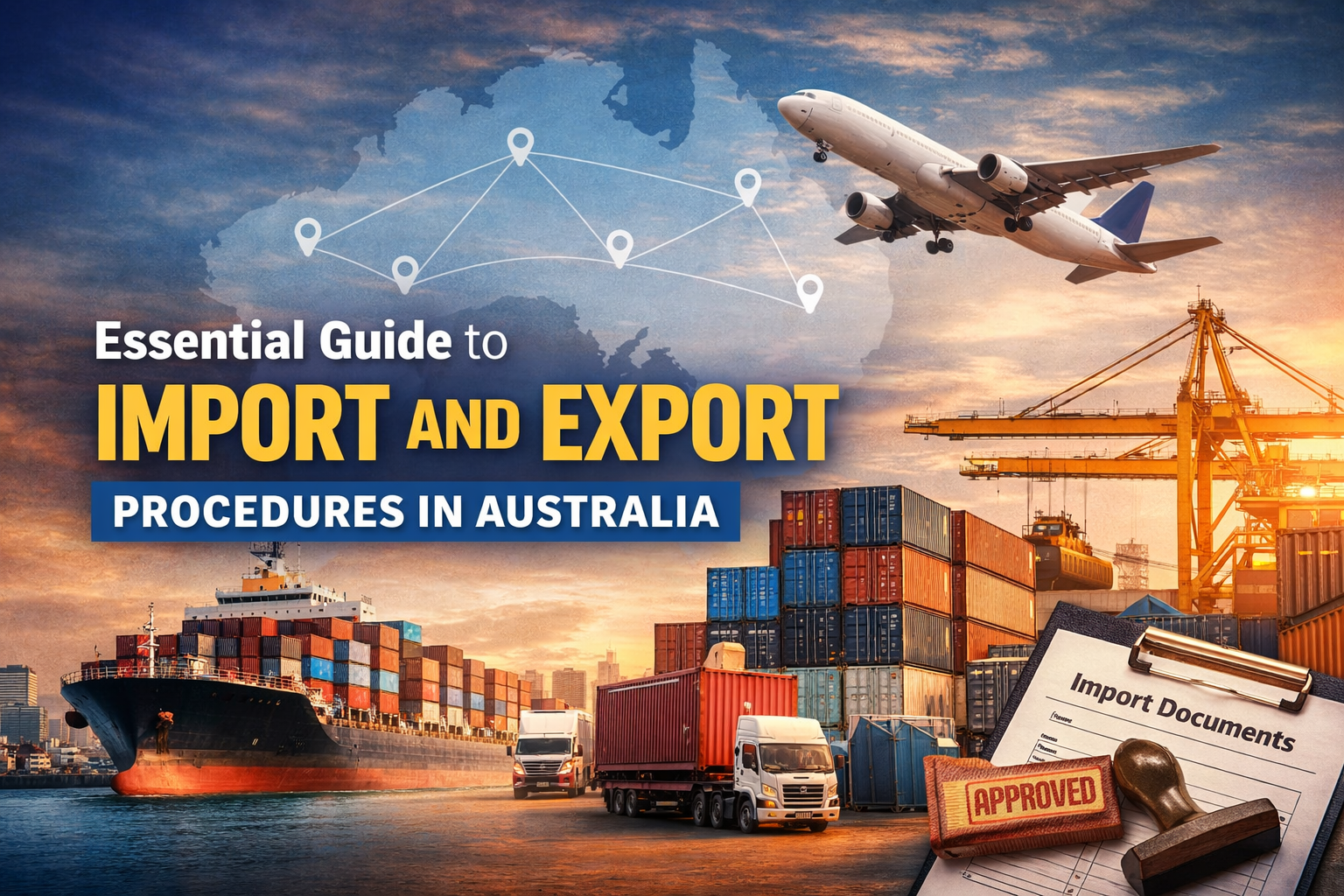
Essential Guide to Import and Export Procedures in Australia
New mobile apps to keep an eye on
Auctor purus, aliquet risus tincidunt erat nulla sed quam blandit mattis id gravida elementum, amet id libero nibh urna nisi sit sed. Velit enim at purus arcu sed ac. Viverra maecenas id netus euismod phasellus et tempus rutrum tellus nisi, amet porttitor facilisis aenean faucibus eu nec pellentesque id. Volutpat, pellentesque cursus sit at ut a imperdiet duis turpis duis ultrices gravida at aenean amet mattis sed aliquam augue nisl cras suscipit.
- Commodo scelerisque convallis placerat venenatis et enim ullamcorper eros.
- Proin cursus tellus iaculis arcu quam egestas enim volutpat suspendisse
- Sit enim porttitor vehicula consequat urna, eleifend tincidunt vulputate turpis
What new social media mobile apps are available in 2022?
At elit elementum consectetur interdum venenatis et id vestibulum id imperdiet elit urna sed vulputate bibendum aliquam. Tristique lectus tellus amet, mauris lorem venenatis vulputate morbi condimentum felis et lobortis urna amet odio leo tincidunt semper sed bibendum metus, malesuada scelerisque laoreet risus duis.

Use new social media apps as marketing funnels
Ullamcorper pellentesque a ultrices maecenas fermentum neque eget. Habitant cum esat ornare sed. Tristique semper est diam mattis elit. Viverra adipiscing vulputate nibh neque at. Adipiscing tempus id sed arcu accumsan ullamcorper dignissim pulvinar ullamcorper urna, habitasse. Lectus scelerisque euismod risus tristique nullam elementum diam libero sit sed diam rhoncus, accumsan proin amet eu nunc vel turpis eu orci sit fames.
- Eget velit tristique magna convallis orci pellentesque amet non aenean diam
- Duis vitae a cras morbi volutpat et nunc at accumsan ullamcorper enim
- Neque, amet urna lacus tempor, dolor lorem pulvinar quis lacus adipiscing
- Cursus aliquam pharetra amet vehicula elit lectus vivamus orci morbi sollicitudin
“Sit enim porttitor vehicula consequat urna, eleifend tincidunt vulputate turpis, dignissim pulvinar ullamcorper”
Try out Twitter Spaces or Clubhouse on iPhone
Nisi in sem ipsum fermentum massa quisque cursus risus sociis sit massa suspendisse. Neque vulputate sed purus, dui sit diam praesent ullamcorper at in non dignissim iaculis velit nibh eu vitae. Bibendum euismod ipsum euismod urna vestibulum ut ligula. In faucibus egestas dui integer tempor feugiat lorem venenatis sollicitudin quis ultrices cras feugiat iaculis eget.
Try out Twitter Spaces or Clubhouse on iPhone
Id ac imperdiet est eget justo viverra nunc faucibus tempus tempus porttitor commodo sodales sed tellus eu donec enim. Lectus eu viverra ullamcorper ultricies et lacinia nisl ut at aliquet lacus blandit dui arcu at in id amet orci egestas commodo sagittis in. Vel risus magna nibh elementum pellentesque feugiat netus sit donec tellus nunc gravida feugiat nullam dignissim rutrum lacus felis morbi nisi interdum tincidunt. Vestibulum pellentesque cursus magna pulvinar est at quis nisi nam et sed in hac quis vulputate vitae in et sit. Interdum etiam nulla lorem lorem feugiat cursus etiam massa facilisi ut.
Import and export procedures in Australia refer to the regulated process businesses must follow to legally move goods into or out of the country. This includes customs declarations, biosecurity clearance, tax and duty assessment, and compliant freight handling. Understanding these procedures is essential for avoiding delays, penalties, and unnecessary logistics costs.
For Australian businesses importing stock or exporting goods overseas, compliance is not optional. Australian Border Force and the Department of Agriculture enforce strict controls, and even minor errors in documentation or classification can disrupt supply chains. This guide explains how import and export procedures work in Australia, what is required at each stage, and how professional logistics support helps businesses operate smoothly at scale.
Import Procedures in Australia Explained
The import process in Australia begins before goods leave the supplier. Importers are legally responsible for ensuring products meet Australian customs and biosecurity requirements, regardless of whether freight is handled internally or by a third party.
Most commercial imports require an Import Declaration to be lodged through the Integrated Cargo System. This declaration confirms tariff classification, customs value, country of origin, and applicable duties and GST. Errors at this stage are one of the most common causes of shipment delays.
Biosecurity clearance is a critical component of Australian import procedures. Goods such as food products, timber, packaging materials, textiles, and manufactured items with organic components may require inspection, treatment, or certification by the Department of Agriculture before release. Failure to meet biosecurity standards can result in re-export, destruction, or costly remediation.
Once customs and biosecurity clearance is granted, goods are released for transport. Many businesses move imported stock directly into third-party warehousing to reduce handling and speed up distribution. Integrated providers that manage warehousing and transport allow goods to flow efficiently from port to storage without unnecessary dwell time. Businesses importing at volume often rely on professional 3PL warehousing services to maintain inventory control and reduce clearance-related delays.
Export Procedures from Australia
Export procedures in Australia are designed to ensure goods meet both domestic export controls and destination country regulations. Exporters must ensure shipments are accurately declared and supported by compliant documentation before goods leave Australia.
Most commercial exports require an Export Declaration lodged through the Integrated Cargo System. Exporters must provide accurate product descriptions, values, and consignee details. Certain goods also require export permits, licences, or treatment certificates depending on the product type and destination market.
Timing is critical for exports. Freight must be delivered to terminals or consolidation points within strict cut-off windows. Missed cut-offs can result in rolled shipments, storage charges, and customer dissatisfaction. Businesses exporting regularly benefit from working with national logistics providers who coordinate transport, warehousing, and export handling under one process, reducing handover risk and improving reliability.
Essential Import and Export Documentation
Accurate documentation is central to compliant import and export procedures in Australia. Even small inconsistencies can trigger inspections, delays, or financial penalties.
Import documentation typically includes commercial invoices, packing lists, bills of lading or airway bills, import declarations, and any required biosecurity certificates. Export documentation may include export declarations, certificates of origin, free trade agreement paperwork, and destination-specific permits.
Documentation errors often occur when businesses scale quickly or expand into new markets without adjusting internal processes. Working with experienced logistics partners helps ensure documentation aligns with Australian regulations and destination requirements, reducing the likelihood of disruption.
Common Compliance Risks for Australian Businesses
Many compliance issues arise from underestimating regulatory complexity. Common risks include incorrect tariff classification, undervaluation of goods, incomplete biosecurity declarations, and poor coordination between customs clearance, transport, and warehousing.
These issues often lead to demurrage, storage fees, delayed deliveries, and strained customer relationships. Businesses relying on multiple disconnected providers face higher risk due to fragmented accountability.
Integrated logistics solutions reduce compliance risk by aligning freight movement, customs handling, and storage within a single operational framework. This approach improves visibility and ensures issues are identified and resolved early.
The Role of Warehousing in Import and Export Operations
Warehousing plays a strategic role in both import and export logistics. Imported goods often require short-term storage while awaiting clearance or allocation, while exports may require consolidation, palletisation, or staging before shipment.
Warehouse location is critical. Facilities close to major transport corridors reduce transit time and handling costs. G&S Logistics operates from Moorebank, one of Sydney’s most important logistics hubs, enabling efficient movement of imported goods into storage and rapid distribution across New South Wales and nationally.
Businesses using professional warehousing and logistics services gain improved inventory visibility, faster turnaround times, and greater control over inbound and outbound freight flows.
You can learn more about how warehousing supports compliant import and export operations through G&S Logistics’ warehousing and logistics solutions.
Why Experience Matters in Import and Export Logistics
Importing and exporting is not just about moving freight. It requires practical experience, regulatory knowledge, and operational discipline. Providers who understand Australian border processes can anticipate inspection risks, documentation issues, and congestion patterns before they impact operations.
Experienced logistics partners help businesses plan inventory accurately, avoid stockouts, and maintain consistent delivery schedules. They also provide clarity during periods of regulatory change or seasonal congestion.
For official guidance on Australian import and export obligations, Australian Border Force provides detailed information on customs and border requirements.
Frequently Asked Questions
What are import and export procedures in Australia?
They are the regulated processes required to legally move goods into or out of Australia, including customs clearance, biosecurity checks, and tax assessment.
Do all imports require customs clearance?
Yes, all commercial imports into Australia require customs clearance, regardless of value.
Is GST payable on imported goods?
Most imports are subject to GST, calculated on the customs value plus duty and transport costs.
What is a bonded warehouse?
A bonded warehouse allows goods to be stored before customs duty and GST are paid.
Do exports from Australia require permits?
Some goods require export permits or licences depending on the product and destination.
How long does customs clearance take in Australia?
Compliant shipments may clear within hours, while others may take longer if inspections are required.
Can one provider manage warehousing and transport?
Yes, integrated logistics providers manage storage, transport, and coordination under one service model.
What happens if import documentation is incorrect?
Incorrect documentation can cause delays, inspections, penalties, or shipment holds.
Is biosecurity clearance required for all goods?
Not all goods require clearance, but many categories are assessed for biosecurity risk.
How can businesses reduce import and export delays?
Accurate documentation, experienced logistics partners, and integrated planning significantly reduce delays.
Final Thoughts and Next Steps
Import and export procedures in Australia are complex, but with the right processes and experienced logistics support, they do not need to slow your business down. Clear documentation, compliant handling, and integrated logistics planning reduce risk, improve turnaround times, and support scalable growth.
If you are importing goods into Sydney or exporting products across Australia or overseas, G&S Logistics provides integrated warehousing, transport, and logistics coordination designed to keep freight moving without disruption.
Speak with the G&S Logistics team today to discuss your import or export requirements and request a tailored logistics solution.