.svg)
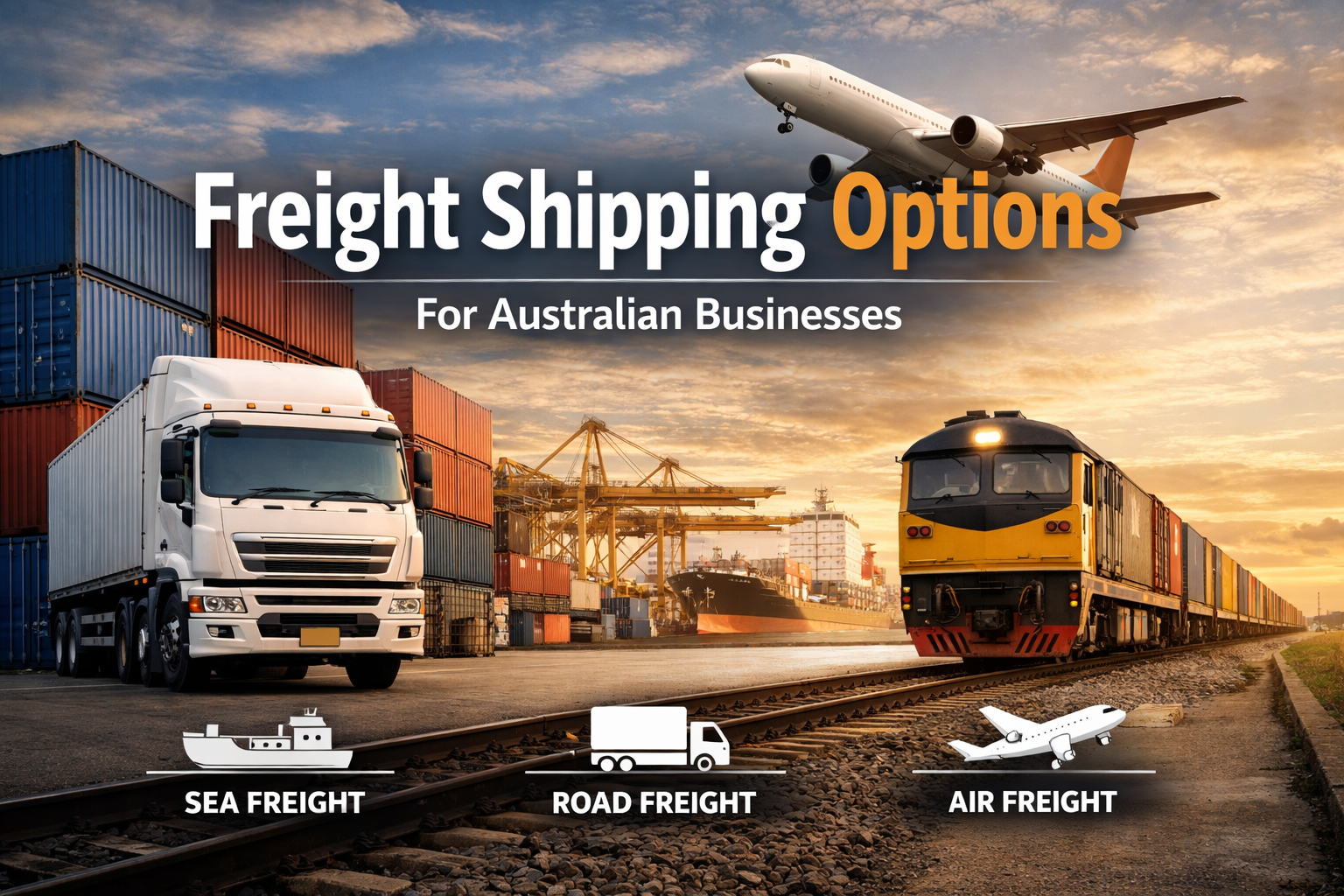
Freight Shipping Options for Australian Businesses
New mobile apps to keep an eye on
Auctor purus, aliquet risus tincidunt erat nulla sed quam blandit mattis id gravida elementum, amet id libero nibh urna nisi sit sed. Velit enim at purus arcu sed ac. Viverra maecenas id netus euismod phasellus et tempus rutrum tellus nisi, amet porttitor facilisis aenean faucibus eu nec pellentesque id. Volutpat, pellentesque cursus sit at ut a imperdiet duis turpis duis ultrices gravida at aenean amet mattis sed aliquam augue nisl cras suscipit.
- Commodo scelerisque convallis placerat venenatis et enim ullamcorper eros.
- Proin cursus tellus iaculis arcu quam egestas enim volutpat suspendisse
- Sit enim porttitor vehicula consequat urna, eleifend tincidunt vulputate turpis
What new social media mobile apps are available in 2022?
At elit elementum consectetur interdum venenatis et id vestibulum id imperdiet elit urna sed vulputate bibendum aliquam. Tristique lectus tellus amet, mauris lorem venenatis vulputate morbi condimentum felis et lobortis urna amet odio leo tincidunt semper sed bibendum metus, malesuada scelerisque laoreet risus duis.

Use new social media apps as marketing funnels
Ullamcorper pellentesque a ultrices maecenas fermentum neque eget. Habitant cum esat ornare sed. Tristique semper est diam mattis elit. Viverra adipiscing vulputate nibh neque at. Adipiscing tempus id sed arcu accumsan ullamcorper dignissim pulvinar ullamcorper urna, habitasse. Lectus scelerisque euismod risus tristique nullam elementum diam libero sit sed diam rhoncus, accumsan proin amet eu nunc vel turpis eu orci sit fames.
- Eget velit tristique magna convallis orci pellentesque amet non aenean diam
- Duis vitae a cras morbi volutpat et nunc at accumsan ullamcorper enim
- Neque, amet urna lacus tempor, dolor lorem pulvinar quis lacus adipiscing
- Cursus aliquam pharetra amet vehicula elit lectus vivamus orci morbi sollicitudin
“Sit enim porttitor vehicula consequat urna, eleifend tincidunt vulputate turpis, dignissim pulvinar ullamcorper”
Try out Twitter Spaces or Clubhouse on iPhone
Nisi in sem ipsum fermentum massa quisque cursus risus sociis sit massa suspendisse. Neque vulputate sed purus, dui sit diam praesent ullamcorper at in non dignissim iaculis velit nibh eu vitae. Bibendum euismod ipsum euismod urna vestibulum ut ligula. In faucibus egestas dui integer tempor feugiat lorem venenatis sollicitudin quis ultrices cras feugiat iaculis eget.
Try out Twitter Spaces or Clubhouse on iPhone
Id ac imperdiet est eget justo viverra nunc faucibus tempus tempus porttitor commodo sodales sed tellus eu donec enim. Lectus eu viverra ullamcorper ultricies et lacinia nisl ut at aliquet lacus blandit dui arcu at in id amet orci egestas commodo sagittis in. Vel risus magna nibh elementum pellentesque feugiat netus sit donec tellus nunc gravida feugiat nullam dignissim rutrum lacus felis morbi nisi interdum tincidunt. Vestibulum pellentesque cursus magna pulvinar est at quis nisi nam et sed in hac quis vulputate vitae in et sit. Interdum etiam nulla lorem lorem feugiat cursus etiam massa facilisi ut.
Freight shipping plays a central role in how Australian businesses operate, scale, and compete. Whether you are moving pallets between Sydney and Melbourne, distributing stock nationally, or importing goods from overseas, the freight option you choose affects cost control, delivery reliability, and customer satisfaction.
Australia’s size, distance between capital cities, and reliance on both domestic and international trade mean that freight decisions are rarely straightforward. Many businesses default to one transport method without reviewing whether it still suits their volumes, timelines, or growth plans. Understanding the full range of freight shipping options available in Australia allows businesses to build a more efficient and resilient supply chain.
This guide explains the main freight shipping options for Australian businesses and when each one makes sense.
Road Freight Transport in Australia
Road freight is the most commonly used freight shipping option in Australia and remains the backbone of domestic transport. Trucks provide direct door to door delivery, making road freight highly flexible for metropolitan, regional, and interstate movements.
For palletised freight moving between Sydney, Melbourne, and Brisbane, road transport often offers the best balance between speed and cost. It allows businesses to dispatch freight daily, adjust volumes easily, and reach customers without relying on fixed schedules or terminals.
Road freight is particularly effective when paired with professional warehousing systems, where inventory is stored, picked, and dispatched efficiently from a central location. Businesses using integrated warehousing and transport often achieve faster turnaround times and better freight cost control.
Rail Freight Transport for Long Distance Shipping
Rail freight is best suited to large volumes of goods moving over long distances along major freight corridors. It is commonly used between capital cities and key distribution hubs where consistency and cost efficiency are prioritised over speed.
While rail freight is generally slower than road transport and less flexible due to fixed routes, it can provide meaningful cost savings for bulk freight that does not require urgent delivery. Rail is also less exposed to fuel price volatility, which appeals to businesses seeking more predictable transport costs.
Many Australian businesses use rail freight as part of a combined strategy, with road transport handling the first and final legs of delivery. This approach works well when freight movements are coordinated centrally through a logistics partner.
Sea Freight for International and Bulk Shipping
Sea freight is the most economical option for international shipping and large volume imports or exports. Australian businesses rely heavily on sea freight for containerised goods, oversized cargo, and non urgent shipments from overseas suppliers.
Although sea freight has longer transit times, it offers significant cost advantages compared to air freight. For businesses importing into Australia, sea freight is often combined with local warehousing and domestic transport to ensure goods are distributed efficiently once they clear customs.
Effective sea freight management requires careful coordination around shipping schedules, port congestion, and container availability. Poor planning can lead to delays and additional costs, which is why many businesses choose to have sea freight integrated into a broader logistics strategy rather than managed in isolation.
Air Freight for Time Sensitive Goods
Air freight is the fastest freight shipping option available in Australia and is typically reserved for high value or time critical goods. It is commonly used for urgent stock replenishment, medical supplies, and products where delivery speed directly impacts revenue or customer commitments.
While air freight provides unmatched speed, it comes at a significantly higher cost. For most businesses, air freight works best as a tactical solution rather than a standard shipping method. Used strategically, it can prevent lost sales or production downtime when delays are not an option.
Courier and Parcel Freight for eCommerce
Courier freight is widely used by eCommerce businesses shipping smaller parcels directly to customers. It prioritises speed, tracking visibility, and convenience, which aligns with modern customer expectations.
As order volumes grow, courier freight can become expensive if used exclusively. Many Australian businesses transition to a hybrid model that combines warehousing, bulk freight, and courier dispatch. This approach allows businesses to maintain fast delivery times while reducing per order shipping costs.
How to Choose the Right Freight Shipping Option
Choosing the right freight shipping option depends on several factors, including shipment size, delivery urgency, budget, and customer expectations. No single freight method suits every business or every shipment.
Australian businesses with growing or complex freight needs often benefit from using multiple transport modes together. Coordinating road, rail, sea, and air freight through a single logistics partner improves visibility, reduces administration, and ensures accountability across the supply chain.
The Australian Government provides national guidance on freight infrastructure and transport networks, which can help businesses understand broader freight considerations.
Frequently Asked Questions
What is the most cost effective freight shipping option in Australia?
Road freight is generally the most cost effective option for domestic palletised freight, while sea freight offers the lowest cost for international bulk shipments.
How do I decide between road and rail freight?
Road freight offers faster door to door delivery and flexibility. Rail freight is better suited to large, consistent volumes moving long distances where speed is less critical.
Is air freight worth the cost for Australian businesses?
Air freight is best used for urgent or high value shipments where speed outweighs cost considerations.
Can businesses combine multiple freight options?
Yes. Many businesses use a combination of road, rail, sea, and air freight to balance cost, speed, and reliability.
How does freight shipping affect customer satisfaction?
Reliable freight improves delivery times and reduces errors, while delays or damaged goods can negatively impact customer trust.
What role does warehousing play in freight efficiency?
Warehousing allows businesses to consolidate stock, dispatch freight faster, and reduce overall transport costs.
Is a 3PL suitable for managing freight?
A 3PL can manage warehousing and transport together, providing better coordination and scalability without internal overheads.
What is the difference between 3PL and 4PL freight management?
A 3PL handles physical logistics such as storage and transport, while a 4PL manages the entire supply chain strategy and carrier coordination.
How can businesses reduce freight costs without slowing delivery?
Optimising shipment sizes, consolidating freight, choosing the right transport mode, and working with an experienced logistics partner all help reduce costs.
Conclusion
Freight shipping decisions have a direct impact on operating costs, delivery performance, and long term business growth. Australian businesses that understand their freight shipping options are better positioned to build efficient and scalable supply chains.
G&S Logistics works with businesses across Australia to design freight and logistics solutions that are practical, reliable, and commercially focused. From domestic freight coordination to integrated warehousing and end to end logistics management, our team helps businesses move goods with confidence.
Contact G&S Logistics today to discuss the right freight shipping solution for your business and receive a logistics strategy built around your operational goals.