.svg)
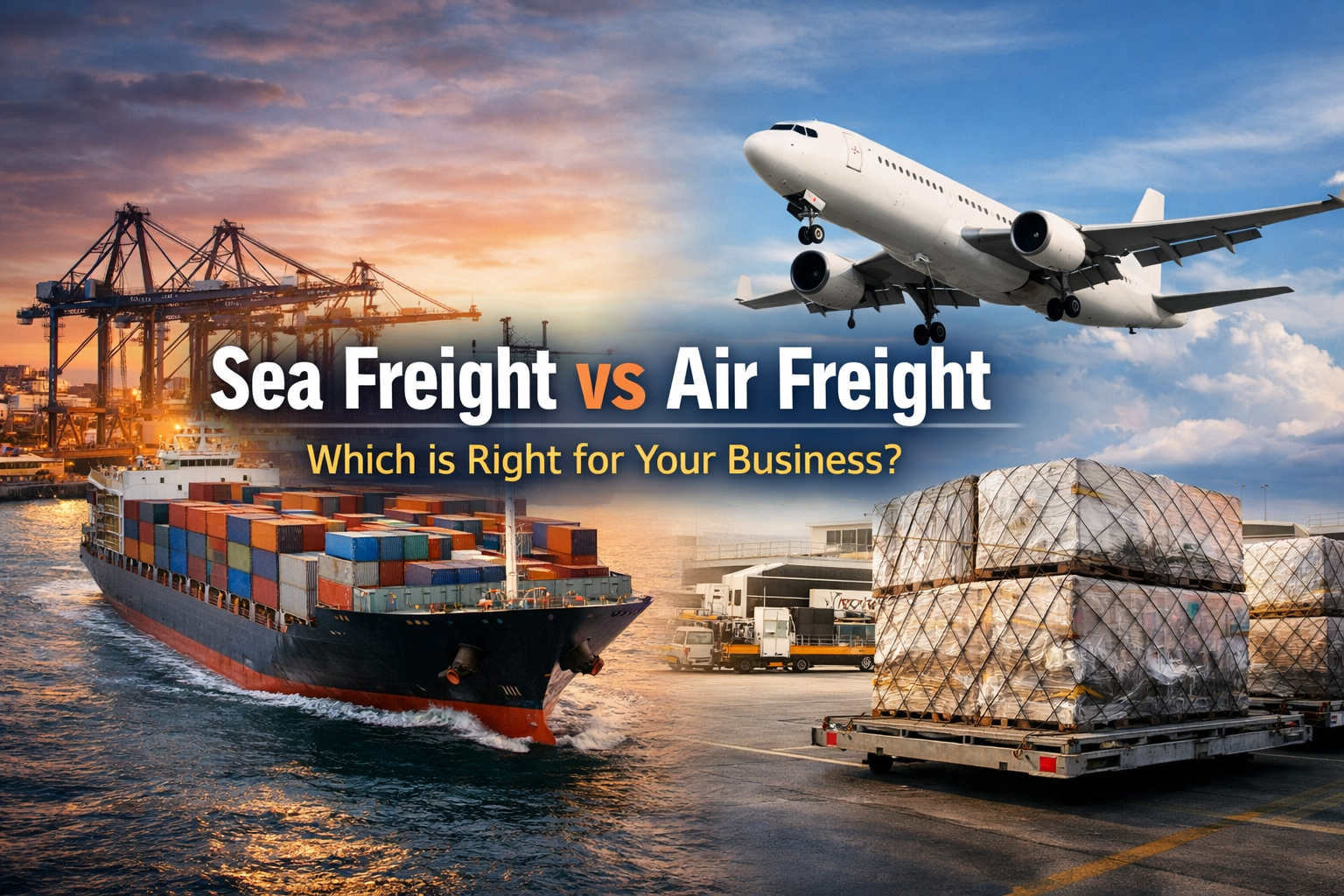
Sea Freight vs Air Freight: Which is Right for Your Business?
New mobile apps to keep an eye on
Auctor purus, aliquet risus tincidunt erat nulla sed quam blandit mattis id gravida elementum, amet id libero nibh urna nisi sit sed. Velit enim at purus arcu sed ac. Viverra maecenas id netus euismod phasellus et tempus rutrum tellus nisi, amet porttitor facilisis aenean faucibus eu nec pellentesque id. Volutpat, pellentesque cursus sit at ut a imperdiet duis turpis duis ultrices gravida at aenean amet mattis sed aliquam augue nisl cras suscipit.
- Commodo scelerisque convallis placerat venenatis et enim ullamcorper eros.
- Proin cursus tellus iaculis arcu quam egestas enim volutpat suspendisse
- Sit enim porttitor vehicula consequat urna, eleifend tincidunt vulputate turpis
What new social media mobile apps are available in 2022?
At elit elementum consectetur interdum venenatis et id vestibulum id imperdiet elit urna sed vulputate bibendum aliquam. Tristique lectus tellus amet, mauris lorem venenatis vulputate morbi condimentum felis et lobortis urna amet odio leo tincidunt semper sed bibendum metus, malesuada scelerisque laoreet risus duis.

Use new social media apps as marketing funnels
Ullamcorper pellentesque a ultrices maecenas fermentum neque eget. Habitant cum esat ornare sed. Tristique semper est diam mattis elit. Viverra adipiscing vulputate nibh neque at. Adipiscing tempus id sed arcu accumsan ullamcorper dignissim pulvinar ullamcorper urna, habitasse. Lectus scelerisque euismod risus tristique nullam elementum diam libero sit sed diam rhoncus, accumsan proin amet eu nunc vel turpis eu orci sit fames.
- Eget velit tristique magna convallis orci pellentesque amet non aenean diam
- Duis vitae a cras morbi volutpat et nunc at accumsan ullamcorper enim
- Neque, amet urna lacus tempor, dolor lorem pulvinar quis lacus adipiscing
- Cursus aliquam pharetra amet vehicula elit lectus vivamus orci morbi sollicitudin
“Sit enim porttitor vehicula consequat urna, eleifend tincidunt vulputate turpis, dignissim pulvinar ullamcorper”
Try out Twitter Spaces or Clubhouse on iPhone
Nisi in sem ipsum fermentum massa quisque cursus risus sociis sit massa suspendisse. Neque vulputate sed purus, dui sit diam praesent ullamcorper at in non dignissim iaculis velit nibh eu vitae. Bibendum euismod ipsum euismod urna vestibulum ut ligula. In faucibus egestas dui integer tempor feugiat lorem venenatis sollicitudin quis ultrices cras feugiat iaculis eget.
Try out Twitter Spaces or Clubhouse on iPhone
Id ac imperdiet est eget justo viverra nunc faucibus tempus tempus porttitor commodo sodales sed tellus eu donec enim. Lectus eu viverra ullamcorper ultricies et lacinia nisl ut at aliquet lacus blandit dui arcu at in id amet orci egestas commodo sagittis in. Vel risus magna nibh elementum pellentesque feugiat netus sit donec tellus nunc gravida feugiat nullam dignissim rutrum lacus felis morbi nisi interdum tincidunt. Vestibulum pellentesque cursus magna pulvinar est at quis nisi nam et sed in hac quis vulputate vitae in et sit. Interdum etiam nulla lorem lorem feugiat cursus etiam massa facilisi ut.
Choosing between sea freight and air freight is one of the most important decisions in any supply chain. The right choice can protect margins, improve delivery reliability, and keep customers satisfied. The wrong choice can create unnecessary costs, delays, and pressure on cash flow.
For Australian businesses importing or exporting goods, particularly those operating across multiple regions or markets, understanding the practical differences between sea freight and air freight is essential. This guide explains how each option works, where each one makes sense, and how to choose the right approach for your business.
What Is Sea Freight?
Sea freight involves transporting goods by cargo ship across international waters. It is the most widely used freight method globally and is best suited to large volumes, heavy cargo, and shipments that are not time critical.
Sea freight is commonly used for full container and shared container shipments, making it ideal for manufacturers, wholesalers, and businesses moving consistent stock volumes. While transit times are longer, the cost per unit is significantly lower, which makes sea freight a core component of cost effective supply chains.
Many businesses using sea freight rely on professional warehousing and logistics coordination once goods arrive in Australia. This allows stock to be stored, managed, and distributed efficiently without bottlenecks.
What Is Air Freight?
Air freight transports goods by aircraft and is the fastest method of international shipping. It is typically used for urgent, high value, or time sensitive cargo where speed and reliability are critical.
Air freight is commonly chosen by eCommerce businesses, medical suppliers, electronics importers, and companies facing tight production deadlines. Faster transit times help reduce stock shortages, support rapid product launches, and improve customer service levels.
Although air freight is more expensive, it can reduce inventory holding costs and improve cash flow when used strategically. Once goods land, many businesses still require local warehousing and fulfilment to support national distribution.
Learn more about our warehousing capabilities.
Cost Comparison Between Sea Freight and Air Freight
Cost is often the primary factor when comparing sea freight and air freight. Sea freight is significantly more affordable, particularly for large or heavy shipments. Pricing is generally based on container size or cubic volume, which makes it ideal for bulk stock and planned replenishment.
Air freight is priced based on chargeable weight, which considers both physical weight and volume. This means lightweight but bulky goods can still be expensive to ship by air. While air freight reduces transit time, businesses must weigh the higher cost against urgency and product value.
For businesses with predictable demand and sufficient lead time, sea freight supported by smart inventory planning typically delivers better long term margins.
Speed and Transit Time
Air freight offers unmatched speed, with shipments often arriving within days. Sea freight transit times are longer and can range from several weeks depending on origin, shipping routes, and port conditions.
Businesses that rely on fast stock turnover, just in time inventory, or tight customer delivery expectations often benefit from air freight. Businesses that plan inventory in advance and operate on stable demand cycles usually find sea freight more practical and cost effective.
Working with an experienced logistics provider helps ensure accurate lead time planning regardless of the freight method used.
Reliability and Risk Management
Air freight generally provides higher schedule reliability due to frequent flights and fewer handling stages. Sea freight involves longer journeys and exposure to factors such as weather, port congestion, and global shipping disruptions.
That said, sea freight remains highly reliable when properly planned and managed. Insurance, documentation accuracy, and proactive tracking play a major role in reducing risk for both freight types.
Logistics coordination across freight, warehousing, and distribution reduces delays and ensures continuity even when disruptions occur.
Environmental Considerations
Sea freight produces a lower carbon footprint per unit compared to air freight, making it a more environmentally responsible option for businesses focused on sustainability. Air freight generates higher emissions due to fuel consumption, which is an important consideration for companies with environmental commitments.
Many businesses now balance speed and sustainability by using sea freight as their primary method and reserving air freight for genuinely urgent shipments.
Which Option Is Right for Your Business?
The decision between sea freight and air freight depends on your product type, delivery timelines, budget, and overall supply chain strategy. Sea freight suits businesses moving large volumes where cost control is critical. Air freight suits businesses where speed, reliability, and flexibility outweigh higher transport costs.
In practice, many businesses use both. Sea freight is often used for core inventory, while air freight is used for urgent replenishment or high priority orders. This blended approach balances efficiency and responsiveness.
G&S Logistics supports businesses with integrated freight coordination, warehousing, and 3PL services. You can explore our 3PL logistics solutions.
Frequently Asked Questions
What is the main difference between sea freight and air freight?
Sea freight focuses on cost efficiency for large volumes, while air freight prioritises speed and urgency.
Is sea freight always cheaper than air freight?
Yes, sea freight is significantly cheaper in most cases, especially for heavy or high volume shipments.
When should I use air freight instead of sea freight?
Air freight is best for urgent shipments, high value goods, or situations where delays would impact sales or operations.
How long does sea freight take compared to air freight?
Sea freight typically takes several weeks, while air freight usually takes a few days depending on origin and routing.
Does air freight reduce inventory holding costs?
Faster transit times can reduce the need to hold large amounts of safety stock, which may offset some freight costs.
Can businesses use both sea and air freight?
Yes, many businesses use a combination of both to balance cost control and flexibility.
Is sea freight reliable for international shipping?
Sea freight is reliable when shipments are well planned and managed by experienced logistics providers.
Which option is better for sustainability?
Sea freight has a lower carbon footprint per unit compared to air freight.
Can G&S Logistics manage both freight options?
G&S Logistics coordinates sea freight, air freight, warehousing, and distribution as part of an end to end logistics solution.
For general information on international shipping regulations, you can refer to the Australian Border Force.
Final Thoughts
Choosing between sea freight and air freight is not about selecting one option permanently. It is about choosing the right tool for each shipment based on cost, urgency, and business impact.
G&S Logistics works with Australian businesses to design freight and logistics strategies that improve reliability, control costs, and support long term growth. Whether you need sea freight, air freight, warehousing, or full 3PL support, our team can tailor a solution to suit your operation.
If you are reviewing your freight strategy or planning upcoming shipments, contact G&S Logistics today to discuss the best approach for your business and receive a customised logistics solution.